
You have somewhere around 14,653 photos of your dog on your phone. You’d happily show all of them to a stranger at a party. And yet when someone asks for a good one, you scroll for ten minutes and land on the same slightly blurry photo from three summers ago.
This is the most common thing I hear from people who reach out to me. They aren’t short on photos. They’re short on photos they love.
So here’s what I’d tell a friend who wants better phone photos of their dog. These tips work. Try them this weekend. Then we’ll talk about the one problem none of them solve.
Your Dog Doesn’t Live at Your Eye Level
Most dog photos are taken from standing height, looking down. That angle makes dogs look small, shrinks their legs, and gives you a lovely view of the top of their head.
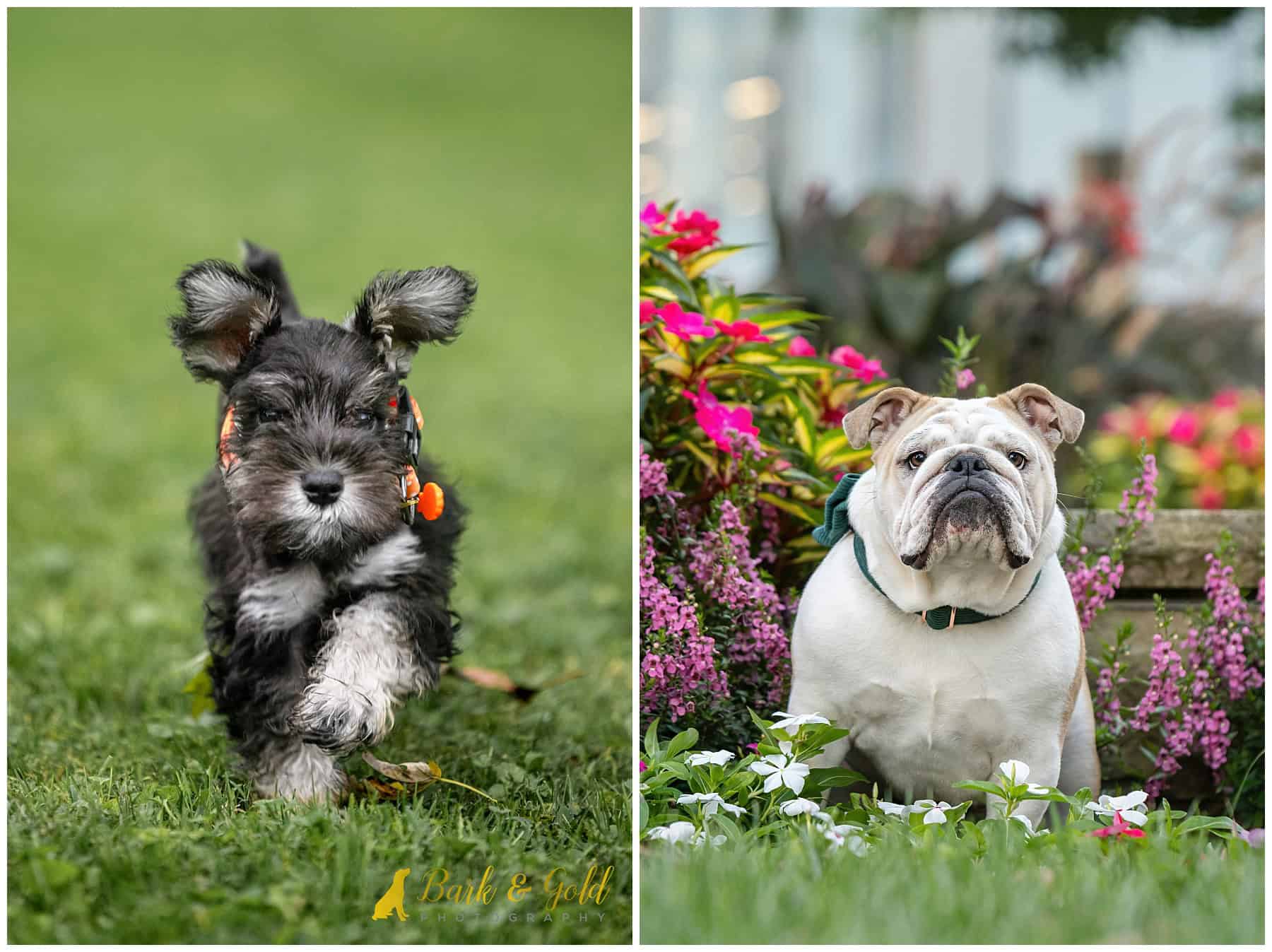
Get down on their level. Sit, kneel, lie in the grass if you’re committed. Shooting from their eye line makes the photo feel like it’s about them, and it’s the single fastest improvement you can make. Your knees will survive.
Midday Sun Is Not Your Friend
Bright sun seems like it should help. It doesn’t. It creates harsh shadows, blown-out highlights on light-colored fur, and a squint that makes your dog look personally offended.
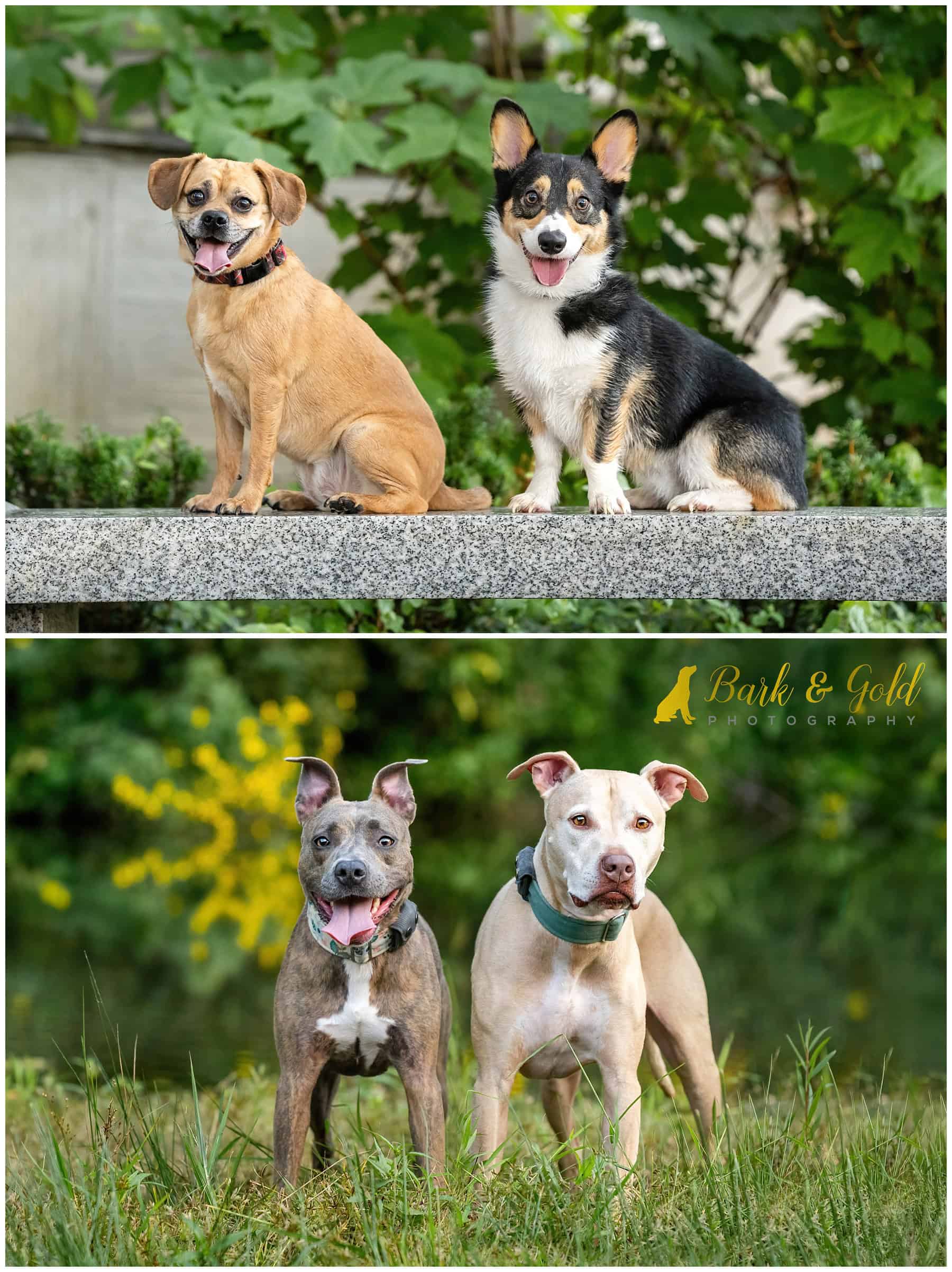
Look for open shade instead: the shadow side of a building, under a tree canopy with no dappled spots, or the first and last hour of daylight. Soft, even light is kinder to every dog, and it’s the reason I plan every session around the time of day, not just the date.
Black Dogs Aren’t Unphotographable (Your Phone Just Thinks They Are)
If you own a black dog, you know the look: a dark shape with two glowing eyes, possibly a tongue. Your phone sees all that black fur, decides the scene is too dark, and brightens everything else to compensate.
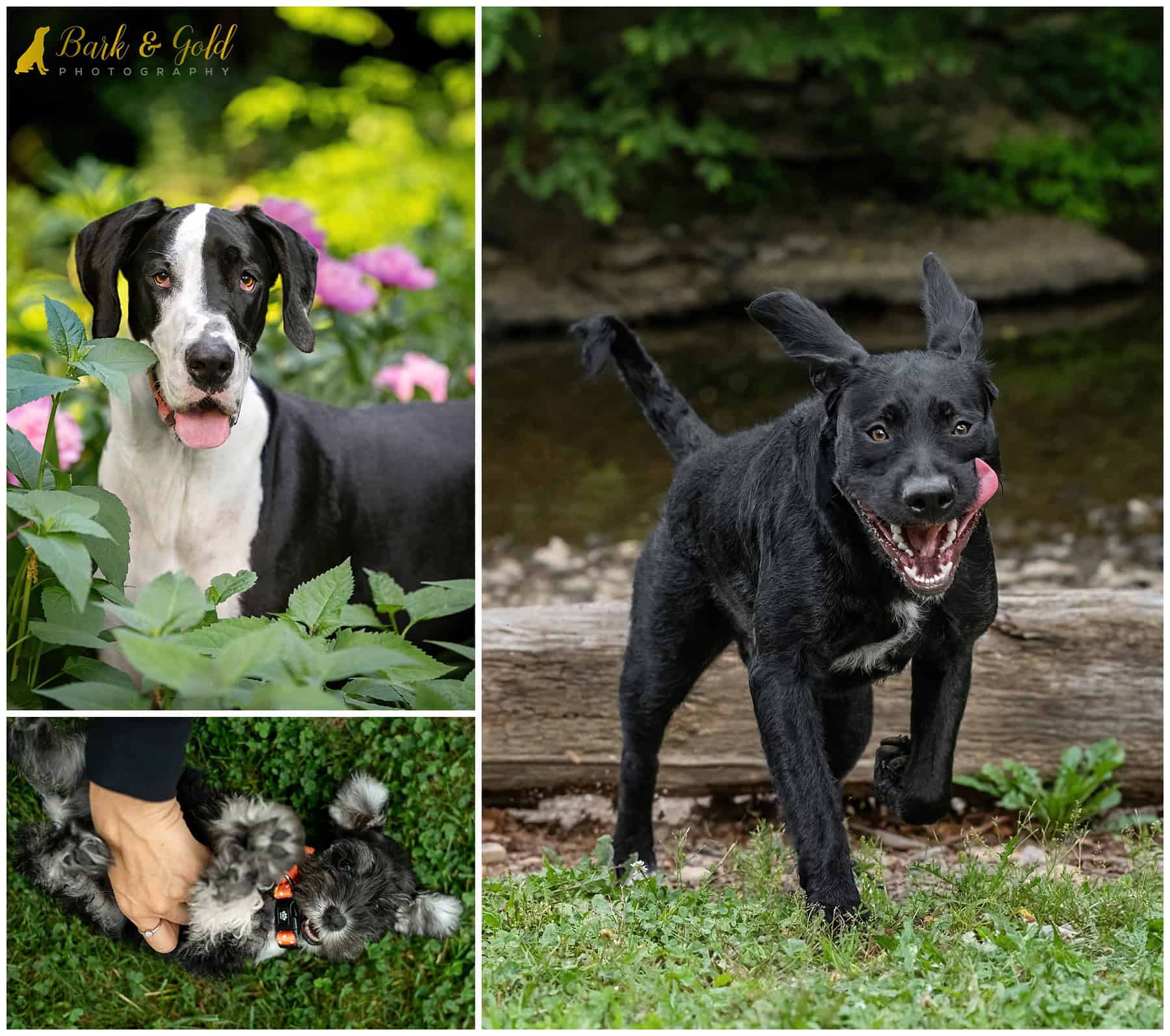
Two fixes. First, tap on your dog’s face before you take the photo so the camera sets exposure for them instead of the background. Second, keep them out of bright backgrounds. A black dog against a sunny field will lose every time. A black dog in open shade, facing the light so you can see a little reflection in their eyes, looks like an actual dog with actual fur texture.
Zoomies Require Burst Mode and Low Expectations
Action shots are where phone photos go to die. Tap once and you’ll get a blurry furry. Instead, hold the shutter button down (or swipe it, depending on your phone) to shoot a burst. Somewhere in those 40 frames is one where all four feet are off the ground and the ears are doing something ridiculous.
Stick to your phone’s main lens, too. Zooming in digitally makes blur worse, so walk closer instead.
Make One Weird Noise, Just One
Everyone does the squeaky-voice routine to get their dog to look at the camera. It works exactly once. By the fifth “Who wants to go for a walk?” your dog has figured out nothing interesting is happening and gone back to sniffing.
Save your best noise for when you’re ready. Hold a treat right above the lens, make the sound once, and shoot. If it doesn’t work, wait a minute and try something different. Novelty is the whole trick.
The Photo No Setting Can Fix
Do all of that and your camera roll will get noticeably better. You’ll have more photos of your dog that look like your dog.
You still won’t be in any of them.
This is the part most people don’t notice until they go looking. Scroll back through years of photos and count how many show you with your dog. Not a selfie where half your face is cropped out and they’re looking somewhere else. An actual photo of the two of you, the way you are together on a regular Tuesday.
For most people, the number is close to zero. Someone has to take the picture, and it’s almost always you.
It doesn’t feel urgent while your dog is lying on your feet. It tends to feel urgent later. As a photographer certified in pet loss grief support, I talk with a lot of people after their dog is gone, and the photos they wish they had are rarely more photos of the dog alone.
Isaac and Noah’s mom, Angie, echoes this: “Like so many, I have a phone full of photos of my beloved dogs, and they have an Instagram page where a lot of those end up, but I really appreciate the value of great-quality, professional photos to have forever— specially as someone who has loved and lost beloved pets before and feels a hint of wistfulness at each of my current boys’ passing birthdays. Jes is such a pro, with pre-session communications that really allow her to understand what you’re looking for from your session, as well as your dog’s personality and your relationship with them.
Even the Good Ones Are Buried
Here’s the other quiet problem with phone photos: the great ones don’t go anywhere. They sit at photo #2,847, somewhere between a parking receipt and a screenshot you’ll never look at again.
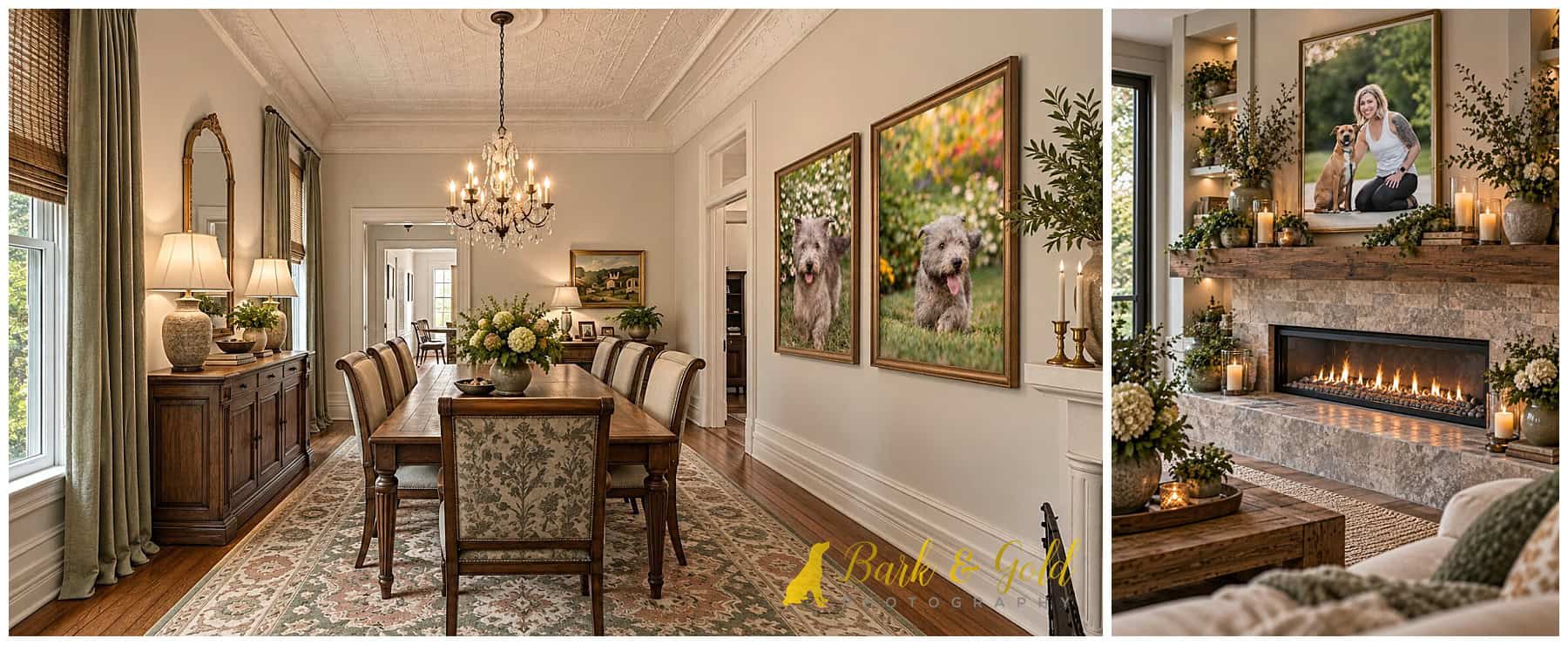
A portrait you walk past every day in your hallway does something a camera roll can’t. You see it without trying. That’s a big part of why I built Bark & Gold around finished artwork like wall art, albums, and folio boxes instead of handing people a link to more files they’ll never open.
What a Session Adds That Your Phone Can’t
A portrait session isn’t a better phone. It’s a few hours where someone else handles the light, the timing, and the waiting so you can just be with your dog.
My sessions are outdoors and dog-led, which means we work at your dog’s pace, with nothing forced. Nervous dogs, senior dogs, dogs who have never once sat on command: all normal, all welcome. Thirty-plus years as a competitive figure skater taught me to read a body just before it moves, and dogs telegraph everything if you’re watching closely enough. My job is to catch the half-second where your dog looks most like himself, and to get you in the frame with him.
Then I help you decide what to do with those images so they end up on your wall, not in your phone.
Try the Tips First
Seriously, try them. Get low, find some shade, tap on your black dog’s face, hold down the shutter. Your camera roll will thank you. And when you’re ready for the photo you can’t take yourself, the one with both of you in it, I’d love to hear about your dog.
When you’re ready for a portrait of the two of you together, tell me about your dog. Reach out through your preferred contact approach.