This post was originally published in 2016 and updated for accuracy and expanded in 2026.
Before we get into the practical advice, let me tell you a quick story about my first dog, Hunter.
Hunter was many wonderful things: a big personality, affectionate, deeply devoted…and occasionally convinced that every new environment exists purely for his personal entertainment. The first time I brought him somewhere unfamiliar with a camera in hand, he approached the entire situation like a personal sniffari tour.
New smells? Must investigate. Rustling leaves? Clearly suspicious. Camera pointed in his direction? Obviously, a cue to look everywhere except the lens.
In other words, he behaved exactly like a normal dog.
And after photographing hundreds of dogs over the years—from impeccably trained obedience champions to enthusiastic agents of disorder who believe squirrels are a full-time job—I can confidently tell you that your dog does not need to be perfect for a successful photography session.
They don’t need to sit like a statue. They don’t need to know advanced cues. And they definitely don’t need to behave like a Westminster show dog.
What they do need is a photographer who understands dogs, knows how to read their energy, and has the patience (and timing) to capture the moments where their personality shines through. (Hiii! Have we met?)
That’s exactly how every Bark & Gold Photography session is designed.
That said, there are a few simple things you can do beforehand that help your dog settle into the experience quickly and comfortably. After years of working with dogs of every temperament imaginable, these are the five things I recommend to every client before their session.
1. Take the Edge Off with a Little Exercise
When dogs arrive at a session, they’re often processing a lot all at once. New environment. New smells. A new person holding a camera and making suspicious squeaking noises in an attempt to capture their attention. It’s exciting…and sometimes a little overwhelming.
One of the easiest ways to help your dog relax is to give him time to burn off that initial burst of nervous energy. I recommend arriving about 10–15 minutes before our scheduled session start time so your dog can walk around, explore the area, and get comfortable with his surroundings.
For many dogs, a relaxed walk around the location is perfect. For high-energy pups, a quick game of fetch beforehand can work wonders.
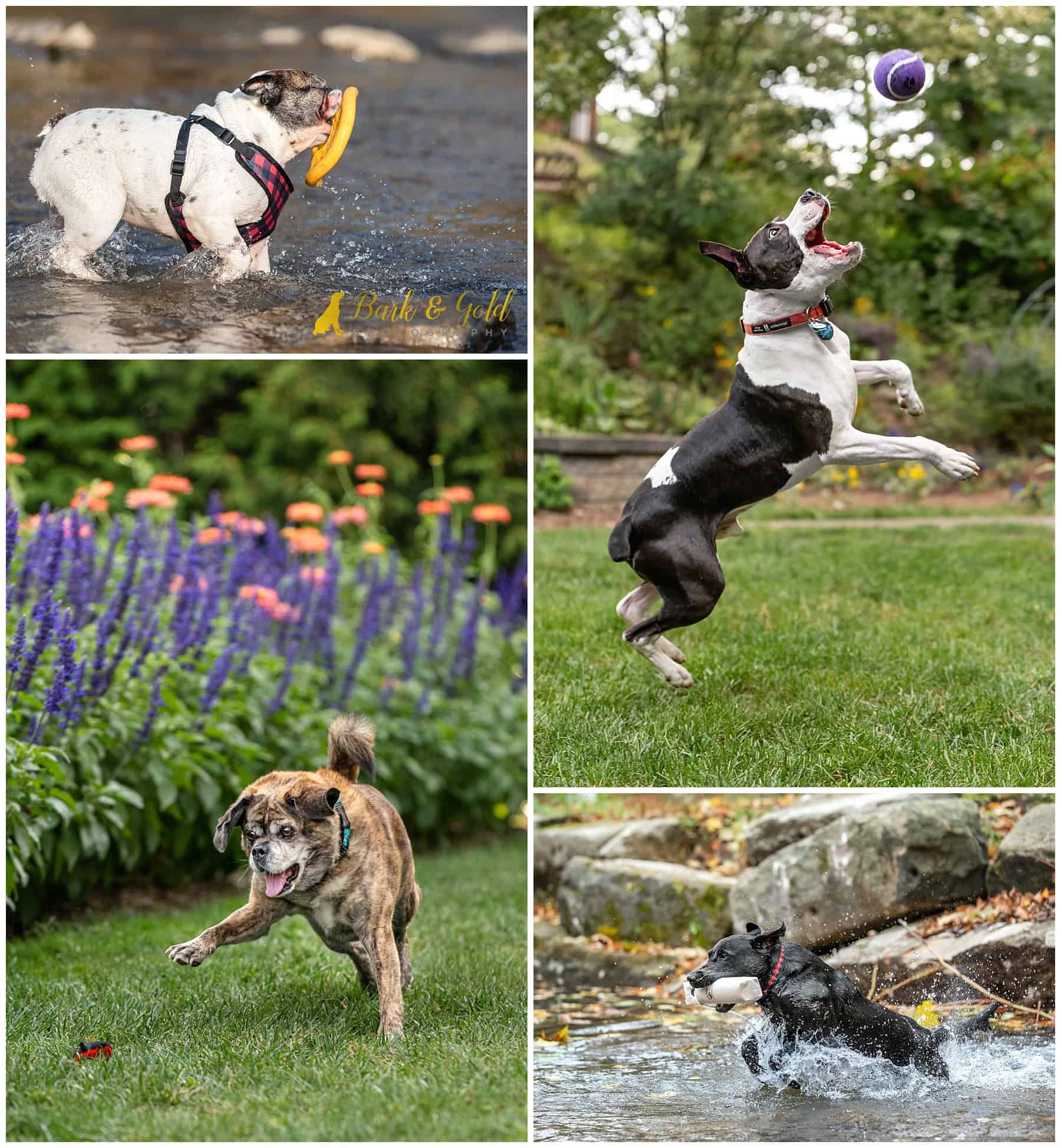
Bringing a favorite toy is also incredibly helpful. Whether it’s a tennis ball, squeaker, or Frisbee, familiar objects can grab your dog’s attention quickly and help him settle into the session.
Just don’t overdo it; we’re aiming for pleasantly relaxed, not completely exhausted and panting like they just finished a triathlon.
2. Groom for the Camera
Professional portraits highlight details, so a little grooming beforehand makes a noticeable difference.
If your dog is professionally groomed, I typically recommend scheduling that appointment about a week before your session. This allows the coat to settle naturally, so your dog avoids that “freshly trimmed” look that can sometimes appear a little too sculpted in portraits.
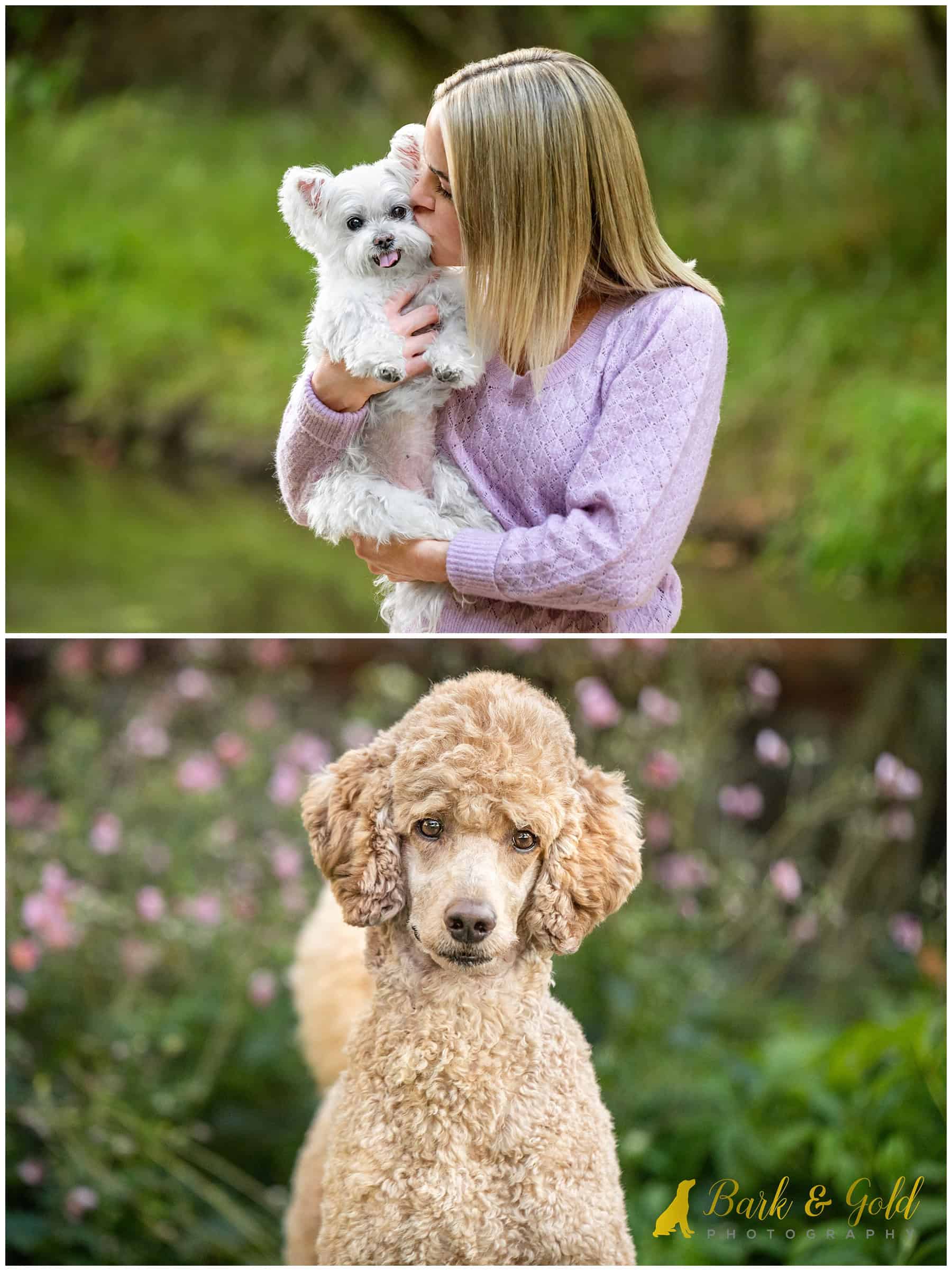
Otherwise, a few simple steps will make your dog look his best:
- Bathe your dog a day or two before the session.
- Brush thoroughly to remove loose hair.
- Wipe away eye debris and reduce tear stains if possible.
- Trim nails a few days beforehand.
None of this needs to be perfect. In fact, most dogs manage to find dirt within minutes of being cleaned anyway.
The goal is simply to help your dog look polished and well cared for so the final portraits feel timeless and refined.
And if a little stray fur or slobber happens along the way? That’s what retouching is for.
3. Bring the Treats That Mean Business
Treats are one of the most valuable tools during a dog photography session—when used thoughtfully.
I recommend bringing small, high-value treats that your dog absolutely loves. Think tiny bites of something irresistible rather than large biscuits.
The goal is to keep your dog engaged and motivated without filling them up too quickly.
Treats can be especially helpful at the beginning of the session while your dog is warming up to the environment and getting comfortable working with me. Later on, they’re often the secret behind those perfectly attentive expressions and adorable head tilts everyone loves.
That said, timing matters. Too many treats too early can make some dogs overly excited or distracted. A little patience and well-timed rewards go a long way.
Fortunately, after years of photographing dogs, I’ve developed a fairly good sense of when snacks are helpful—and when we’re better off letting your dog simply be himself.
4. Review Basic Cues (But Don’t Stress About Them)
One of the biggest myths about dog photography is that your dog needs to be impeccably trained.
He doesn’t.
Commands like sit, stay, and down can certainly make certain portraits easier, so if your dog already knows them, it’s helpful to casually brush up beforehand.
But if your dog has selective hearing or believes “stay” is more of a philosophical suggestion than an instruction, that’s completely fine too.
My approach relies far more on reading your dog’s body language, timing expressions, and creating natural moments than on rigid posing.
In fact, some of the most expressive portraits happen in those unscripted moments when your dog tilts his head, trots toward you, or flashes that goofy grin that made you fall in love with him in the first place.
Perfection is not the goal. Personality is.
5. Choose a Collar You’ll Love Seeing in Your Portraits
One small detail that can make a surprisingly big difference in your portraits is your dog’s collar.
Since collars are often visible in images, choosing one that photographs well helps ensure the final artwork feels polished and timeless. A clean, well-fitting collar in a simple color or classic design tends to photograph beautifully.
Some clients choose to remove dangling tags for a cleaner look, which I recommend, though that’s entirely up to you.
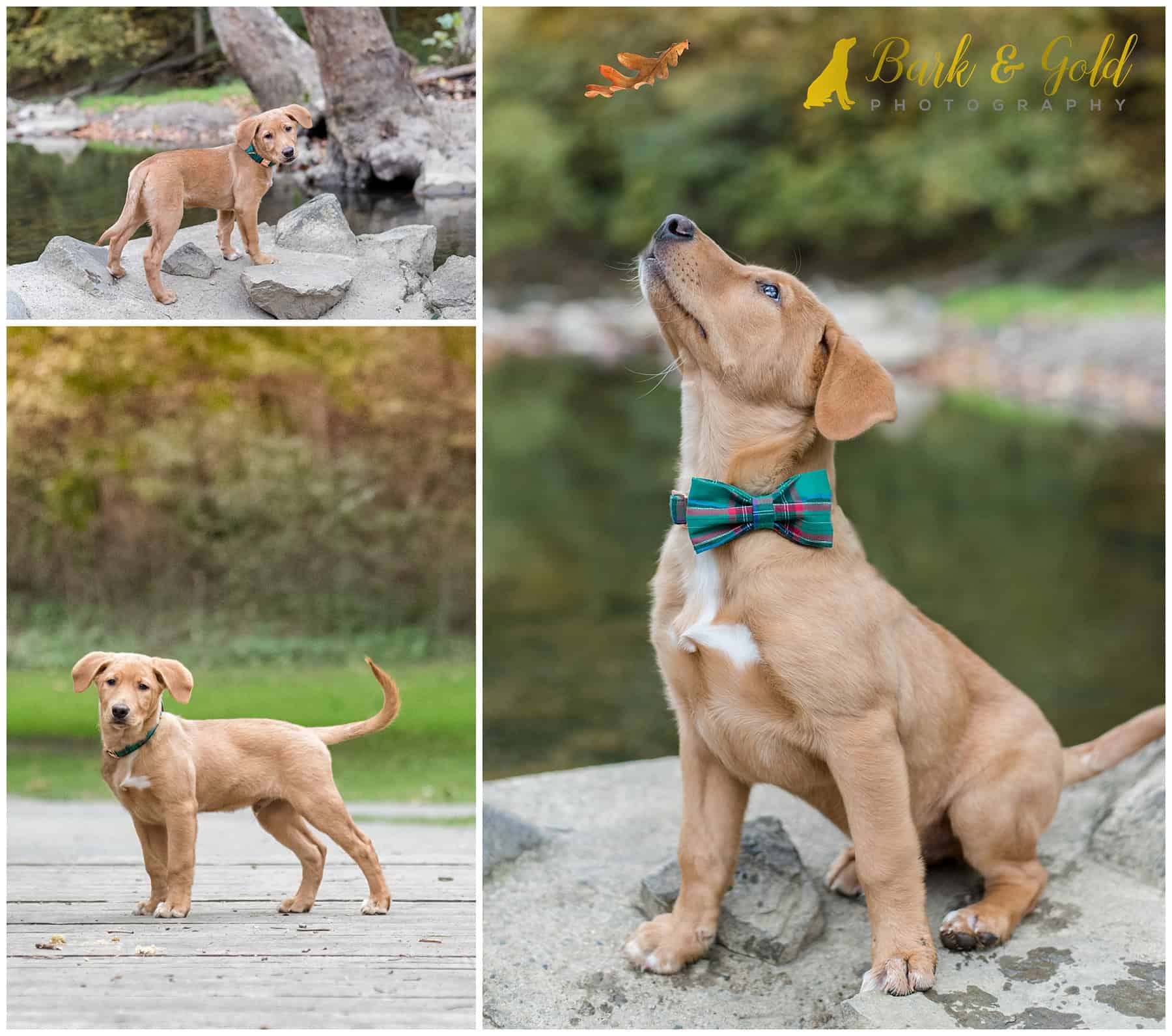
And if you’re wondering about leashes, here’s a little behind-the-scenes secret: almost every dog I photograph is leashed.
Whether it’s required by location rules or simply the safest option, leashes are completely normal during sessions. With careful positioning during the session (and a little Photoshop magic afterward), the leash is commonly removed during retouching so the final portraits look natural and refined. Safety always comes first.
The Secret to Great Dog Portraits
If there’s one thing I want every client to remember before their session, it’s this: your dog doesn’t need to be perfect. He just needs to be himself.
Some dogs arrive calm and confident. Others arrive with the spirit of a caffeinated tornado. Either way, my job is to guide the experience, adapt to your dog’s personality, and capture the expressions and moments that make him unmistakably him.
Because years from now, when you look back at your artwork, what you’ll treasure most isn’t how perfectly your dog sat. It’s how perfectly those portraits captured his spirit.
If you’re considering professional portraits of your dog, I’d love to help you create personality-filled artwork that celebrates the joy and love you share.
Every Bark & Gold Photography session is designed to be relaxed, enjoyable, and tailored to your dog’s unique personality, from our first conversation to the moment your finished artwork arrives ready to display in your home.
If that sounds like your kind of experience, you can learn more about what to expect and begin planning your session by scheduling a no-obligation chat or reaching out online.
Great post and some great tips! Exercise is key! 🙂
Thanks, Darlene! It really does help burn off that nervous energy or restlessness. I see so often how dogs calm down and settle in more as the session progresses. Taking care of that a bit beforehand can really ease an unfamiliar situation.
So helpful! Thank you!
You’re welcome, Natalie!